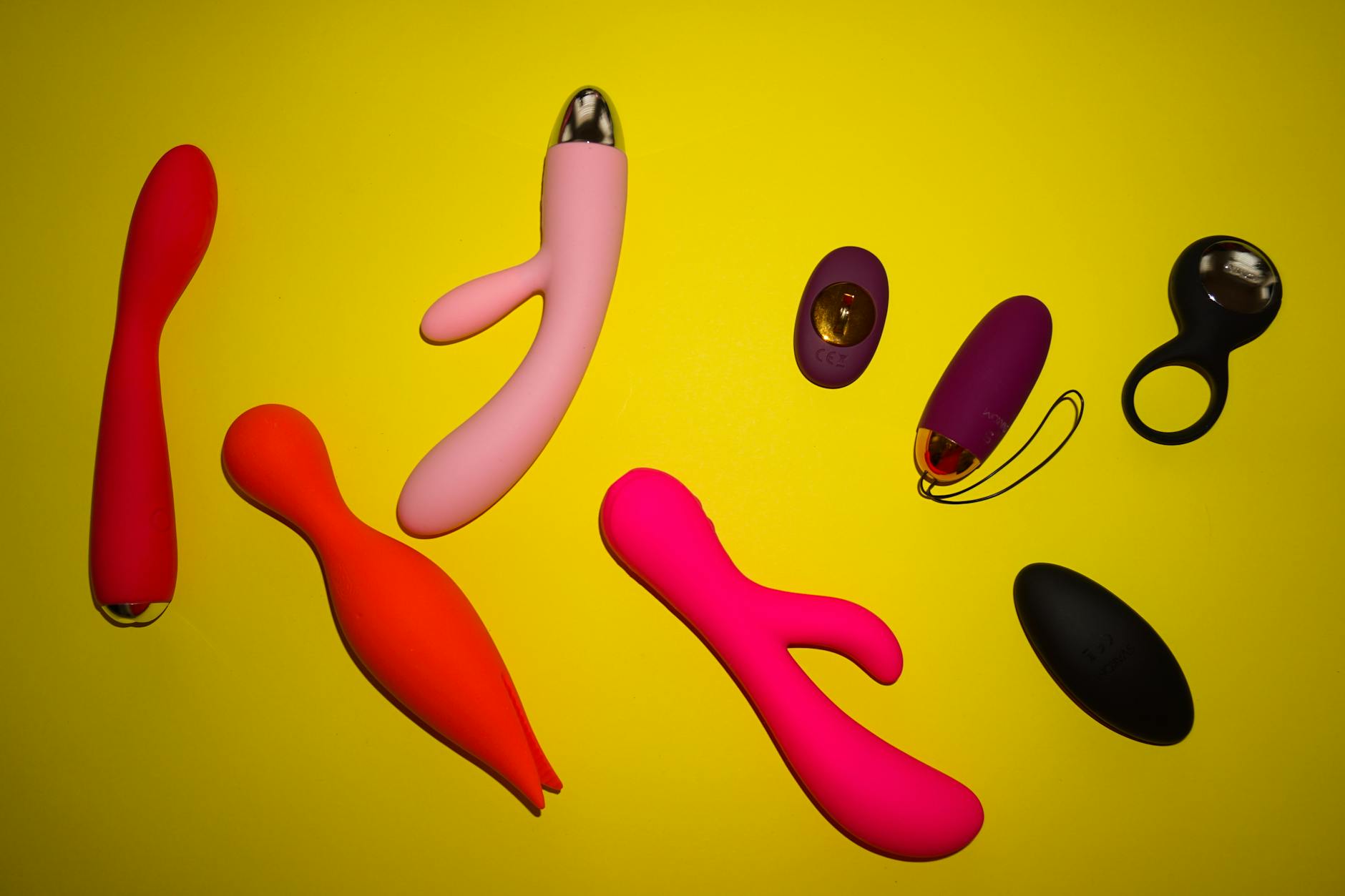
Why Lemon Vibrators Feel Better When You're Older and Less Sensitive
Your clitoral sensitivity shifts with age and hormones. Here's why air-suction technology works better than traditional vibrators as you get older and what you can do about it.
Your clitoris isn't getting weaker as you age. What's actually happening is way more interesting. The tissues around your vulva are thinning slightly, your nerve endings are reorganizing, and your hormones are shifting in ways that completely change how stimulation feels. The vibrators that worked brilliantly at 25 might feel harsh or even numb at 45. And that's not a problem. It's actually an opportunity to find what works better now.
I've worked with hundreds of clients navigating this exact shift, and the pattern is always the same. Women who assumed they were "losing" sensitivity discovered they were actually shifting into a new kind of responsiveness. Tools like the Lemon clitoral vibrator work differently on older bodies because they use air-suction instead of direct vibration. That distinction changes everything.
Let's separate the biological facts from the noise. As you move through your 40s and 50s, estrogen gradually declines. This affects three things specifically:
Tissue thickness. The epithelial tissue covering your vulva becomes thinner and more delicate. It's not fragile. It's just different. This means traditional vibrators with high-speed oscillation can feel overwhelming, almost aggressive, where they used to feel just right.
Nerve density reorganization. Your clitoris still has the same number of nerve endings. But the distribution shifts slightly. Some areas become more sensitive. Others become less responsive to direct friction. This is why "faster" doesn't mean "better" anymore.
Hormonal fluctuation. Perimenopause and menopause introduce real changes in arousal response time and lubrication. But here's what gets glossed over: they also change the texture of arousal itself. Many women report that their orgasms feel more localized, more intense, sometimes more internal. Different doesn't mean diminished.
Traditional vibrators rely on vibration frequency to create stimulation. A Lemon vibrator uses pneumatic suction. That means it pulls tissue gently into the cup rather than vibrating against it. For aging tissue, especially tissue that's become less tolerant of direct friction, this approach feels more intuitive, more naturally pleasurable.
Think of the difference between a jackhammer and a vacuum. Both create movement. One assaults. The other draws. That's roughly the difference between traditional vibration and air-suction technology.
As tissue thins, direct vibration can overstimulate nerve endings in ways that feel sharp or uncomfortable instead of pleasurable. Suction stimulates those same nerves but through a different mechanism. It creates gentle pressure and release cycles that older bodies often find more natural.
I see this reflected in client feedback consistently. Women in their late 40s and beyond often say lemon clitoral vibrators feel "easier," "warmer," or "less clinical" than previous toys. That's because the suction mechanism aligns better with how their nervous system is responding now.
There's also a pacing factor. With suction, arousal often builds more gradually. That's not a limitation. For bodies that need longer warm-up time (which is normal and common after 40), that gradual escalation actually mirrors natural arousal better. You're not fighting against your body's rhythm. You're moving with it.
Here's where the real shift happens, and it matters psychologically as much as physically.
You might notice that you're not getting the instant response you used to. Your clitoris takes longer to wake up. That used to bother me (and my clients) until I reframed it. That's not numbness. That's selectivity. Younger bodies are more reactive. Older bodies are more discriminating.
When arousal takes longer to build, it also tends to build deeper. The plateau lasts longer. The orgasm, when it arrives, often feels more full-body instead of clitoral. Some women describe it as more satisfying even though it took more time.
Lemon vibrators work particularly well with this timeline because they don't fight against it. You're not racing for a quick reaction. You're creating space for a slower, richer response. The air-suction technology naturally creates that patience. You can't rush suction the way you can rush vibration.
First, rule out the obvious culprits. Are you on medications that affect sexual response? Certain SSRIs, blood pressure meds, and antihistamines can dampen sensation. That's not your body failing. It's chemistry. Talk to your doctor about alternatives if it's an issue.
Second, check your warm-up. Older bodies need more time. Budget 20 to 30 minutes of foreplay, either solo or with a partner. That's not foreplay if you're masturbating alone. That's just how your body works now. Accepting that makes everything easier.
Third, switch your tool. If you've been using a traditional vibrator for years and it's suddenly feeling numb or harsh, that's your signal to try something different. A lemon clitoral vibrator's suction mechanism often reawakens sensation that felt lost with vibration alone.
Fourth, pay attention to patterns. Does sensation feel better at certain times of your cycle? In the morning versus evening? After exercise? After coffee? Older bodies are more sensitive to these variables. Tracking them isn't neurotic. It's practical.
Finally, consider pelvic floor health. As estrogen drops, the pelvic floor can tighten defensively. That tension reduces sensation paradoxically. Pelvic floor physical therapy, regular stretching, and sometimes even topical estrogen cream (if you're dealing with menopausal changes) can make a real difference. It's worth exploring if sensation loss is significant.
This is the harder part of aging, honestly. You have years of muscle memory around what feels good. Your body's changed. Your clitoris still works. It just works differently. There's a real grief in letting go of "how it used to be."
Here's what I tell clients: you're not losing your sexuality. You're evolving it. The tools that worked at 30 were designed for a 30-year-old nervous system. At 50, your nervous system is more refined. It has different preferences. That's not a setback. That's maturity.
When you shift to a lemon vibrator or experiment with new approaches, you're not "settling" for something less intense. You're choosing something more aligned with who you are now. The pleasure might feel different, but it's often richer.
No, but they work differently. Traditional vibrators sometimes feel too intense or overstimulating on aging tissue. Tools like the Lemon clitoral vibrator use air-suction, which many older bodies find more pleasurable and sustainable. Effectiveness isn't about intensity. It's about resonance with your current nervous system.
Numbing often comes from one of three places: medication side effects, insufficient warm-up time, or using a tool that doesn't match your tissue sensitivity anymore. Older tissue tolerates direct vibration less well. Switching to suction-based technology frequently restores sensation. If it persists, see a gynecologist to rule out medical causes like nerve damage from prior trauma or hormonal factors.
No. Menopause changes how quickly your body responds and how tissue feels to direct stimulation. Sensitivity shifts. It doesn't vanish. Many women report that post-menopausal orgasms feel more intense and full-body than pre-menopausal ones, just slower to build. The nervous system is still there. It's learning a new rhythm.
Yes. Pelvic floor exercises help. But so does regular sexual activity (solo or partnered) because it increases blood flow. You might also try mindfulness or breathing work to increase body awareness during arousal. Using a lemon clitoral vibrator regularly can retrain your nervous system to respond to suction, which often feels easier than traditional vibration on mature tissue.
Maybe. If you're noticing that your old vibrator feels either numb or overstimulating, it's worth experimenting with something different. Lemon vibrators are popular precisely because suction feels more intuitive on older bodies. But the key is listening to your body, not assuming you're broken. Your sensitivity hasn't failed. It's just asking for a different approach.
Completely normal. Orgasms often become more localized, sometimes more internal. They might take longer to build but feel more sustained. That's aging, not dysfunction. For many women, this shift creates more satisfying experiences overall because the plateau lasts longer and the recovery is gentler.
Your body at 45 or 55 isn't a broken version of your body at 25. It's a different body with different needs, different capacity, and often deeper pleasure if you're willing to explore it. The tools that worked before might need updating. The timeline might shift. Your responsiveness might reorganize itself in ways you didn't expect.
That's not loss. That's information. When you choose a tool like the Lemon clitoral vibrator instead of fighting against your body's new preferences, you're making space for pleasure that actually fits who you are now. That's the kind of maturity worth celebrating.
If you're navigating these shifts and feeling lost, that's exactly what we're here for. Reach out anytime.