How to Use a Lemon Vibrator When Rebuilding Arousal After Relationship Trauma
Betrayal, control, or breach of trust changes how your body responds to touch. Here's how a clitoral vibrator designed for safety can help you reclaim pleasure on your own terms.
Trauma rewires arousal. It doesn't erase it. After betrayal, violation, or even years of control in a relationship, your nervous system stays hypervigilant. Touch that once felt safe now triggers a chain of internal alarms. Desire goes quiet not because you're broken, but because your body is protecting you. That protection is wise. What comes next is learning to distinguish between real danger and the echo of it.
I work with people rebuilding arousal after trauma regularly. The pattern is almost always the same. They feel nothing for months, sometimes years. They worry they've lost the capacity for pleasure entirely. Then, slowly, with the right conditions and often with a tool that puts them fully in control, sensation returns. Not the way it was before. Better, actually. More connected to themselves, less tangled up in what a partner wants or expects.
Most vibrators require friction. They buzz directly against sensitive tissue. After trauma, that kind of stimulation can feel invasive, even when you intellectually know it's safe. Your body just doesn't trust it yet.
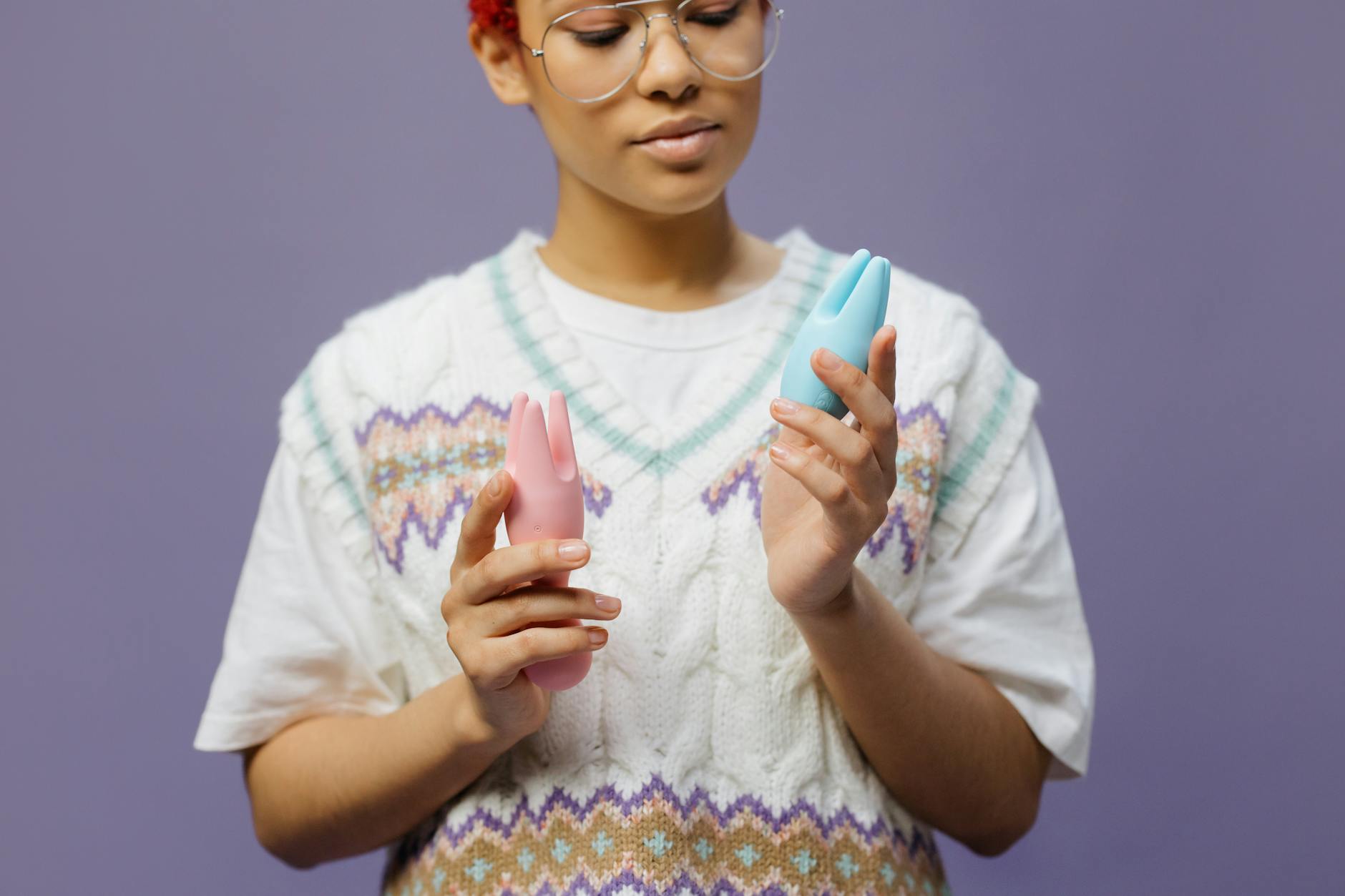
Lemon clitoral vibrators use suction technology instead. The sensation is indirect, contained, and rhythmic. You control the pressure by how firmly you hold it. You control the pattern by which mode you select. You control when you stop. That autonomy matters neurologically. Your nervous system registers the difference between something being done to you and something you're choosing to do to yourself.
The suction creates a gentle seal around the clitoris without requiring penetration or direct contact. For people whose trauma includes sexual violation, this boundary is crucial. You're stimulating pleasure while maintaining clear control and safe distance.
Honestly, if arousal has been completely dormant, don't expect an orgasm on day one. That's not the goal yet. The goal is to reacquaint your body with sensation without triggering the nervous system into a panic response.
Set yourself up in a space where you feel genuinely safe. Not just logistically safe, but emotionally. A locked door isn't enough if you're alone in a house where the trauma happened. Consider a hotel room, a friend's place, somewhere without the weight of memory.
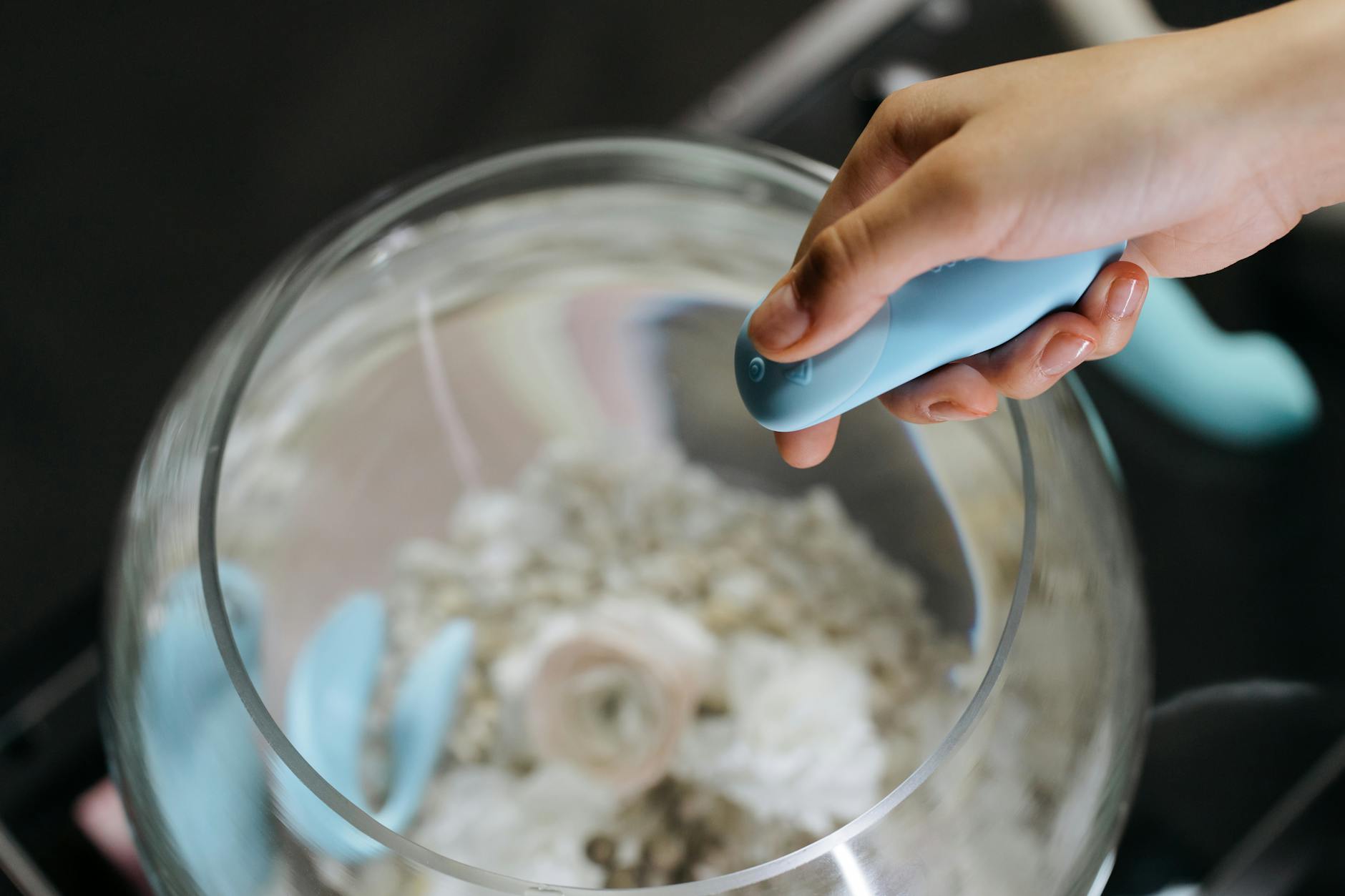
Start with the lemon vibrator off. Hold it. Feel the weight and shape. Run your fingers over the silicone. This is intentional re-familiarization. You're teaching your body that you can interact with sensation on your terms, at your pace.
When you're ready, turn it to the lowest setting. Pattern one on most lemon vibrators is gentle, almost tentative. This isn't the time for intensity. Place the head against the outer edges of your vulva, not directly on the clitoris. The goal is sensation, not stimulation. Notice what you feel. Temperature, vibration, the subtle rhythm. Stay there for as long as that feels neutral or slightly pleasant. If anything feels wrong in your body, stop immediately. That reflex is your nervous system communicating, not your failure.
Trauma recovery isn't linear. Some sessions will feel easier than others. Some weeks you'll make progress; other weeks you'll feel like you've gone backward. That's neurological, not emotional. Your vagus nerve is relearning safety signals. It takes time.
Over two to four weeks of regular (but unhurried) sessions, gradually increase three variables: duration, pattern intensity, and placement. Maybe week two you use the lemon vibrator for ten minutes instead of five. Week three you try pattern two instead of pattern one. Week four you move slightly closer to the clitoris itself.
The reason for this pace isn't caution for its own sake. It's because your nervous system learns through repetition. When you do the same gentle thing over and over, your brain eventually stops interpreting it as a threat. The repetition is the healing mechanism.
Rebuilding arousal after trauma is not about forcing pleasure. It's about creating enough safety that pleasure can emerge on its own.
Trauma lives in the body. After violation, many people report feeling disconnected from their own sensation. They describe going numb, or watching themselves from outside, or simply not inhabiting their own skin during sex.
This is where conscious breathing matters. Before you turn on the lemon clitoral vibrator, spend three minutes just noticing your breath. Don't change it yet. Just watch it. Then, as you use the vibrator, keep attention on your exhale. Long exhales activate the parasympathetic nervous system, which is the brake pedal on your fight-flight-freeze response.
Same with sensation awareness. As the vibrator makes contact, mentally scan your body. Where are your feet? Are your hands relaxed or clenched? Is your jaw tight? These details matter because they tell you whether your nervous system is genuinely calm or just performing calm. If you notice tension building, that's information. Slow down or pause.
Many people find that sensations start returning after trauma when they're not chasing it, but creating conditions where it can show up. The breath and body awareness create those conditions.
If you're in a current relationship with someone trustworthy, rebuilding arousal doesn't have to be solo. It just has to be controlled and clearly consensual.
Some people find it helpful to use their lemon vibrator during partnered sexual activity, but where the partner is present without directing the stimulation. They're there. You're using the vibrator on your own body at your own pace. The partner's job is to notice, appreciate, and absolutely not take over or add their own touch without explicit permission.
This structure works because it allows intimacy while maintaining your complete autonomy over sensation. You're showing your partner what you like while proving to your nervous system that they can be present without taking control.
Other people need much longer before a partner is involved at all. That timeline is yours to set. There's no timeline where adding pressure to rebuild arousal faster actually works. Pressure triggers the nervous system right back into protection mode.
If you experienced betrayal, boundary violation, unwanted sexual contact, or sustained control in a relationship, the arousal dampening is likely trauma-related. Physical and hormonal issues also exist independently. A good starting point is checking with your doctor to rule out thyroid problems, hormonal imbalance, or medication side effects. Once those are clear, the trauma conversation becomes relevant. If you're unsure whether what happened counts as trauma, talking to a trauma-informed therapist is worth it. Trauma isn't always a single dramatic event. It's also persistent boundary violation, coercion, or systematic control.
Yes, but not immediately. Trauma numbing is a nervous system protection. When you gently, repeatedly introduce sensation without pressure to respond, your body gradually rebuilds the neural pathways for pleasure. It's not that the vibrator magically fixes trauma. It's that the safety and autonomy it provides create conditions where your nervous system can relax enough to register sensation again. Expect weeks, not days.
Stop immediately. This isn't failure. It's your nervous system communicating. The fact that you stopped at the first sign of dysregulation is the point. You're learning that you have control and can interrupt the cycle. After any triggering experience, spend time grounding. Feel your feet on the floor. Name five things you can see. Then give yourself days or weeks before trying again. If flashbacks are frequent and severe, working with a trauma therapist before reintroducing any sexual stimulation is the smarter path.
Completely normal. Trauma recovery isn't linear. Stress, sleep, where you are in your cycle, how safe you feel that day, whether you're in contact with the person who hurt you, whether you're processing a memory. All of these affect arousal moment to moment. Some weeks you'll feel nothing. Other weeks sensation will surprise you. This variability isn't backsliding. It's the nervous system learning and reprocessing at different depths.
Yes, but let your therapist know. You want to make sure your therapeutic work and your personal exploration are moving in the same direction, not contradicting each other. Many trauma therapists actually encourage gentle self-pleasure as part of the healing process because it's you reclaiming agency over your own body. The key is that it stays gentle, pressure-free, and fully within your control.
You won't. That person had different experiences and context. But many people report that arousal and pleasure after trauma recovery feels more present, more connected, more genuine than before. You're not chasing someone else's version of what you should feel. You're building something based on your own actual responses and desires. That's often deeper.
Healing from relationship trauma isn't about rushing back to normal. It's about building a new normal where pleasure is tethered to genuine safety, autonomy, and self-knowledge. A tool like the lemon vibrator matters because it puts you completely in control. No penetration unless you want it. No pressure unless you choose it. No rhythm but your own.
As you rebuild, you'll likely find that arousal returns in phases. First, the ability to feel sensation at all. Then, the ability to feel it without anxiety. Then, the ability to build toward something that might be pleasure or might just be interesting sensation. Finally, the return of desire itself, but shaped differently by everything you've learned about what safety actually means.
Take the time. Your nervous system is worth it. If you want to explore this journey more deeply or need to talk through what rebuilding arousal looks like in your specific situation, we're here. Get in touch with Hello Nancy and we can point you toward resources, or just listen to what you need.