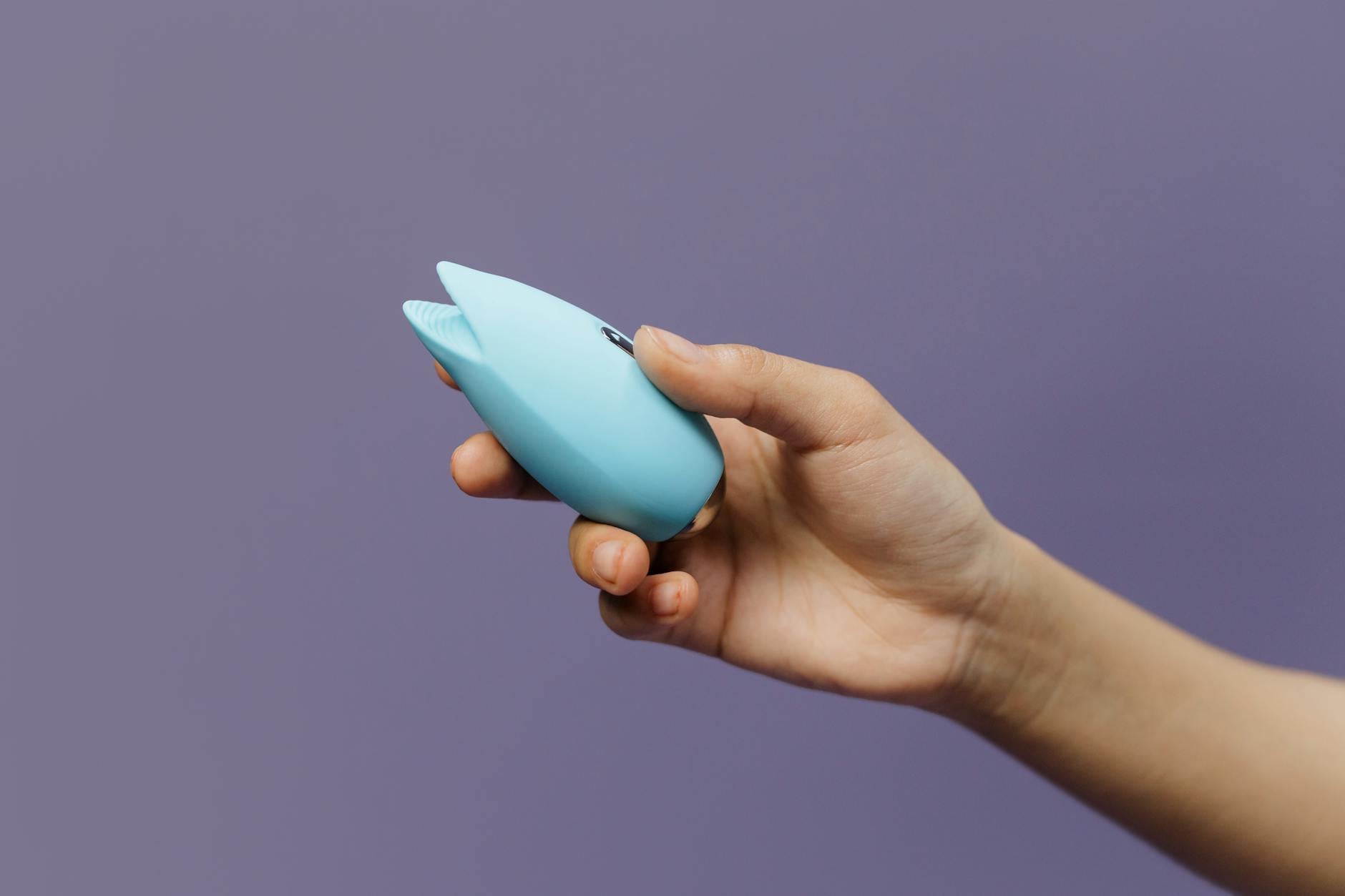
How to Use a Lemon Vibrator for Better Orgasms When Your Partner Doesn't Know Your Body
Your partner means well but they're not a mind reader. A lemon clitoral vibrator cuts through the guesswork and shows them exactly what your body needs.
Your partner wants to make you come. That's not usually the problem. The problem is they're working with incomplete information, and you're probably not giving them better intel because, well, it feels awkward to say "no, higher, actually hold on let me show you." A lemon vibrator solves this in about five minutes.
Let me explain what's actually happening in your body when your partner touches you, why their rhythm might not match yours, and how a lemon clitoral vibrator becomes the translator between what you need and what they're trying to do.
When you touch yourself, you're working with real-time feedback. You feel pressure, angle, speed, and you adjust within a second if something's off. Your partner is flying blind. They're guessing based on moans, body position, and whatever they remember from last time. That's a lot of variables.
There's also a rhythm mismatch. Most partners develop a rhythm that works for them—consistent, meditative, sustainable. But your orgasm might need a completely different pattern: faster at the start, then a pause, then a precise kind of circular motion at 45 degrees, then speed again. Asking for that in the moment feels like directing traffic. Showing them with a vibrator takes thirty seconds.
The third thing is pressure. You know exactly how much pressure your clitoris can handle. Many partners default to either too gentle (nothing happens) or too firm (that sharp, unpleasant sensation that kills arousal). A vibrator gives consistent, calibrated stimulation. Your partner watches what happens to your body and learns from it.
Before you bring a lemon clitoral vibrator into partner sex, use it alone a few times. You need to know which patterns work for you and which settings get you closest to orgasm. This isn't about avoiding your partner—it's about gathering data you can actually share.
Set aside twenty minutes when you're alone. Start with the Lem on pattern one or two (lower intensity). Spend time exploring where on your clitoris the sensation feels best. Some people come from direct stimulation. Others prefer off-center or sideways contact. The Lem's suction design means you can vary how directly you're stimulating just by shifting it slightly.
Note what works: "Pattern three, fifteen seconds, then I need a break" or "I come faster when it's angled slightly to the left" or "I need it on the same spot for about a minute before switching." You now have a script.
Pick a time that isn't in the middle of sex. Seriously. Pause, hand them the vibrator, and say something like "I want to show you what I figured out." Most partners find this incredibly hot because it means you're taking pleasure seriously and you trust them to participate.
Use your hand to guide theirs. Don't explain everything at once. Show them the angle, let them feel the vibration, watch what happens to your body. Say things like "That's it" or "A little slower" so they're getting real-time feedback. After thirty seconds, you probably come or get very close. That's the goal.
Now they know. They've felt where your body responds, how fast your breathing gets, the exact moment you tip over. The next time you're having sex without the vibrator, they can replicate that motion or pressure with their fingers, mouth, or whatever you're doing together.
You have a few options here, depending on what kind of sex you're having.
During oral: Hand them the lemon vibrator while they're going down on you, or use it alongside them. Some people find the combination of mouth and vibration overwhelming in the best way. Start with lower patterns and go up. Your partner can feel the vibration too, which makes them more engaged in the rhythm.
During penetration: You or your partner can hold the vibrator against your clitoris while they're inside you. This solves one of the biggest problems in partnered sex: clitoral stimulation and penetration happening at the same time. A lemon clitoral vibrator lets that actually occur.
Foreplay: Before anything else, spend five to ten minutes with the vibrator while your partner watches and touches you elsewhere. This does two things. First, you get warmed up in exactly the way your body responds best. Second, your partner sees firsthand what turns you on. They might ask "Can I try?" and suddenly they're holding the vibrator while you guide them.
Most people don't use the same pattern alone that they use with a partner. Here's why: when someone else is in the room and involved, the psychological load changes. You might feel slightly less comfortable, which means you need a bit more intensity. Or you might feel safer, which means lower settings work fine.
Start with whichever pattern worked for you solo, then adjust up one notch. If you usually come on pattern two alone, try pattern three with your partner. This gives you a buffer against the sensory change of having another person there.
Consistency matters more than intensity. A steady pattern three for two minutes beats darting between patterns one and four. Your nervous system needs predictability to build toward orgasm. Tell your partner "keep it on this one, same angle, same pressure" and mean it.
Once you've used a vibrator together a few times, talk about what your partner noticed. Did they see your breathing shift? Where exactly did you tense up? What was the difference between pattern two and pattern three in terms of your physical response? This isn't clinical. It's them learning you.
Most importantly, they'll start understanding that your orgasm isn't a mystery they have to solve through trial and error. It's a process they can participate in and, honestly, influence. That's a huge shift in how sex feels for both of you.
Sometimes you bring a vibrator into partner sex and you come easily. That's great. Sometimes you bring it in and you still don't come, or it takes forever, and suddenly you realize the problem wasn't mechanics at all. It was emotional distance, unresolved resentment, or just that you don't feel safe enough to let go.
A vibrator can't fix that. But it can make it visible. If you can come with a vibrator alone but not with your partner in the room, that's real information. You might need a different conversation with them, or with a therapist, about trust and vulnerability.
Most of the time, though, a lemon clitoral vibrator just solves the data problem. Your partner learns your body faster. You come more reliably. Everyone feels less anxious.
Your nervous system works differently with another person present. You're monitoring them, being monitored, and managing intimacy. That's not a flaw. It's actually why communication matters so much. Tell your partner "I need you to do this exact thing" and let them do it. Taking out the guesswork paradoxically makes it feel safer to let go.
Completely. Either you or your partner holds it against your clitoris during penetration. Many people find this is the only way they orgasm during partnered sex, and that's completely normal. The vibrator isn't a sign something's wrong with your partnership—it's a tool that lets both of you experience pleasure.
That's worth addressing directly. A vibrator isn't competing with them. It's collaborating with them. You might say "This helps me come faster and more reliably. That means better sex for both of us. I want you involved." If they still resist, that might point to deeper insecurity or control issues worth exploring, possibly with a couples counselor.
Start with the pattern that got you closest when you were alone, then go up one notch. Your nervous system usually needs slightly more intensity when someone else is involved. But the pattern itself matters less than consistency. Pick one and stay with it for two full minutes before changing.
It depends on what you want. Some people like to come first, then have penetrative sex without pressure. Others like the vibrator integrated into partnered sex from the start. There's no rule. What matters is that you and your partner both know the plan so nobody's surprised.
That's usually about feeling watched or judged, not about the vibrator. Try dimmed lights, less eye contact, or even having them focus on touching you elsewhere while the vibrator does the work. Sometimes the sexiest thing a partner can do is pay attention to your pleasure without making it about them.