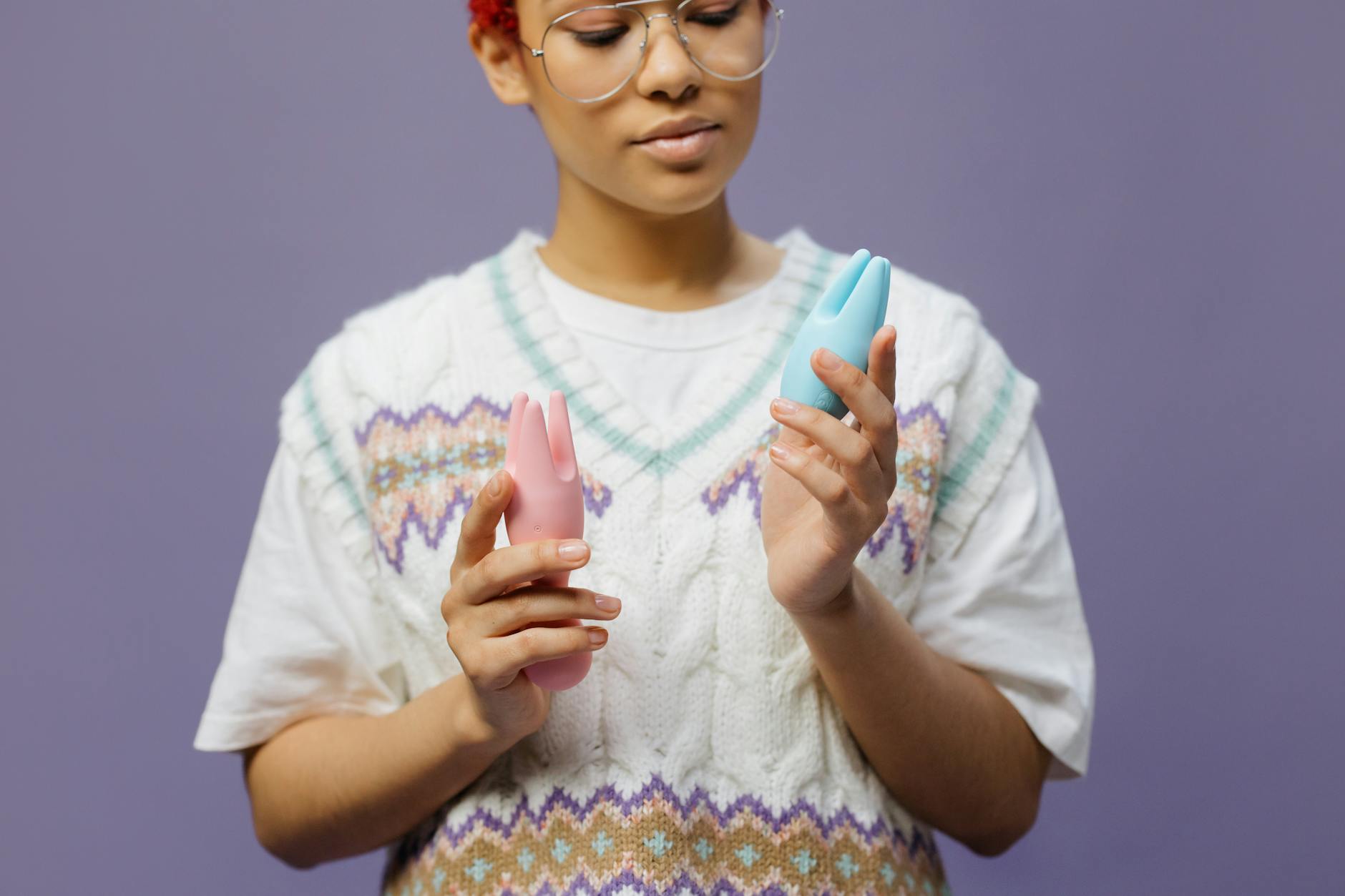
How to Use a Lemon Vibrator When Libido Returns After Depression
Depression steals desire. When it lifts, pleasure feels strange. Here's how to gently reconnect with sensation, rebuild arousal, and trust your body again.
Depression doesn't just lower your mood. It flattens desire, numbs sensation, and makes your own body feel like it belongs to someone else. Antidepressants can compound this. So when the fog lifts, when you finally feel like yourself again, there's this weird gap. Your brain is back. Your body feels like a stranger.
During depression, the brain's reward circuitry goes offline. Dopamine and serotonin are low. That doesn't just affect mood. It affects arousal, orgasm capacity, and even your ability to feel touch the way you used to. When you recover, the neurochemistry shifts, but neural pathways don't instantly rebuild themselves. Sensation, desire, and pleasure are skills your nervous system needs to practice again.
The good news: neuroplasticity is real. Your brain can rewire. Physical sensation helps accelerate that rewiring.
This is where tools like a lemon clitoral vibrator become genuinely useful. Not because they're magic, but because they offer consistent, reliable stimulation that your nervous system can gradually recognize and respond to. No guessing. No performance pressure. Just sensation.
When you're rebuilding after depression, arousal might not show up first. You might use a vibrator and feel... nothing. That's not failure. That's your nervous system relearning the language of pleasure.
Start with sensation as the goal, not arousal or orgasm. A lemon vibrator's suction pattern is different from traditional vibration. It works through gentle, consistent pressure rather than rapid movement. For a body that's just waking up, this gentleness matters. You're not chasing intensity. You're chasing something.
Honestly, the environment is half the battle. You need privacy, enough time that you're not watching the clock, and zero performance pressure.
Three setup rules:
One: Tell yourself you're not trying to come. Seriously. Releasing that goal takes the pressure off your nervous system. If you orgasm, great. If you just feel a tingle, that's also a win.
Two: Warm your body first. A shower, a few minutes under blankets, gentle stretching. Depression often lives in physical tension. Warming up tells your nervous system it's safe.
Three: Start with pattern 1 or 2 on the lemon vibrator. The lowest settings. The goal is awareness, not stimulation. You can always turn it up. You can't un-ring this bell if you start too intense.
Session one might feel like nothing. You might feel bored, or weird, or like your body is still not yours. That's expected. Keep a loose schedule. Three times a week. No more. You're not trying to force desire back. You're just introducing sensation.
By week two or three, you might notice a difference. A little tingle. A flutter. A moment where your attention actually focuses on what you're feeling instead of your thoughts. That moment is real progress.
The lemon clitoral vibrator's unique design (that gentle suction, the way it works) helps with this transition because it doesn't demand intensity. It offers something subtle and consistent that your nervous system can gradually trust.
If you have a partner, this conversation has two parts that should NOT be mixed together.
Part one: "My body is rewaking. This isn't about you. I need some solo time to figure out what I'm feeling."
Part two (only after you've got some solo momentum): "I'm starting to feel desire again. Let's figure out what we want together."
Mostly, partners worry they've lost you. Reassurance on that front helps more than explanation of your vibrator routine. Keep it simple.
If your partner wants to be involved eventually, that conversation can happen later. Right now, your job is to rebuild your own relationship with your body, not to perform recovery for someone else.
Many antidepressants suppress sexual response as a side effect. If you're on SSRIs or SNRIs, talk to your prescriber about timing or dosage. Sometimes a small adjustment helps. Sometimes switching medications helps. Sometimes the depression relief is worth the trade-off.
If the latter is true for you, a lemon vibrator can help bridge that gap. The consistent, gentle stimulation can sometimes bypass the dampening effect of medication in ways that partner touch alone might not.
This isn't a two-week project. Real neuroplastic change takes time. You might feel nothing for three weeks, then suddenly feel something. Progress isn't linear.
Expect plateaus. Expect random days where sensation disappears again (stress, hormones, exhaustion all matter). Keep going anyway. You're not training for an orgasm competition. You're teaching your nervous system that pleasure is safe again.
Some people find that sensations intensify after a month or two of gentle, consistent use. Others find that orgasms come easier. Some people just feel more present in their bodies, which is plenty.
If desire doesn't return after two months of consistent effort, or if there's pain involved, talk to your therapist or doctor. Sometimes depression lingers in the body as trauma. Sometimes medication timing needs adjustment. Sometimes there are other factors at play.
There's no shame in needing support for this. You've already done the hardest part: you got out of the depression. Rebuilding pleasure is part of reclaiming your life.
Your body is coming home. That takes time. Give yourself that.
There's no standard timeline. For some people, desire starts shifting within a few weeks of feeling mentally better. For others, it takes two to three months. Antidepressants, ongoing stress, relationship dynamics, and your own nervous system's pace all matter. The key is consistency and patience rather than speed. If you're genuinely concerned that libido hasn't returned after four to six months of mental health recovery, talk to your doctor.
Absolutely. SSRIs and SNRIs suppress sexual response for some people, but they don't prevent pleasure entirely. A lemon vibrator's gentle suction approach can help you reconnect with sensation even if your brain chemistry is still adjusting. The vibrator isn't fighting your medication. It's just offering your nervous system a chance to practice feeling again.
Start without it. Spend two or three weeks just touching yourself, noticing sensation without any tools. Once you feel slightly more grounded in your own body, reintroduce the vibrator. Or skip it entirely and work with a partner when you're ready. There's no "right" way. The goal is reconnecting with your body in whatever way feels safe.
That depends on your relationship agreements around solo pleasure. If you're in a monogamous partnership where solo play is normal, there's no shame in mentioning it. Keep it practical: "I'm working on reconnecting with sensation." If you want privacy, you're entitled to that too. This is your recovery. You get to set the terms.
Completely normal. Depression flattens sensation. When you're rebuilding, your body might need a few sessions just to remember what pleasure feels like. Think of it like physical therapy. The first week is just about showing up. The sensation comes later. If you feel absolutely nothing after three to four weeks of consistent, gentle use, talk to your therapist or doctor.
Yes. The consistent, predictable stimulation of a lemon clitoral vibrator sometimes helps your body respond even when arousal feels muted by medication. It's not a fix for the medication side effect, but it can be a bridge while you're figuring out your treatment plan with your doctor. Some people find the novelty and consistency help their nervous system "wake up" a bit.
Depression lies. It tells you that numbness is permanent, that you've lost yourself, that pleasure is gone for good. None of that is true. Your nervous system just needs practice. Your body just needs permission to feel again.
Start small. Stay consistent. Be patient with yourself. That's the whole strategy.
If you want to talk through this process more, we're here. Reach out anytime at /contact.