Hormonal contraception changes pleasure. Not ruined it. Changed it. The difference matters because most people either pretend nothing happens or assume something's broken when their body stops responding the way it used to.
Here's what's actually going on: your birth control is doing exactly what it's designed to do. And that sometimes means your arousal, lubrication, and sensitivity get caught in the process. The good news is this is not permanent, not unfixable, and not your fault.
Oral contraceptives, the implant, the shot, and the hormone-releasing IUD all work by suppressing your natural estrogen and progesterone cycles. That's the whole point. But those hormones do more than control fertility. They regulate blood flow to your genitals, affect neurotransmitter production in your brain, and influence how your nervous system responds to touch.
When you start hormonal birth control, several things shift simultaneously. Your baseline testosterone drops (yes, people with ovaries produce testosterone, and it's crucial for desire). Your vaginal tissue becomes thinner and produces less natural lubrication. Your brain's sensitivity to sexual stimuli can dull. The blood flow that usually ramps up during arousal takes longer to activate.
For some people, this is barely noticeable. For others, it feels like someone turned down the volume on sensation entirely.
You probably didn't notice the shift on day one. Most people don't. Hormonal birth control takes weeks or months to fully settle into your system, and the changes to desire and sensation happen gradually. By the time you realize something's different, you might be months in, making it hard to connect the dots between the pill pack and your pleasure.
This delay is actually important because it means you can't blame yourself for adapting slowly. Your body is legitimately adjusting to a new hormonal environment. That's not weakness or damage. That's physiology.
The thinning of vaginal tissue is real, and it affects sensitivity. Thinner tissue means less cushioning, which can make direct friction uncomfortable or desensitizing instead of pleasurable. This is where tools like clitoral vibrators become genuinely useful, not just nice-to-have.
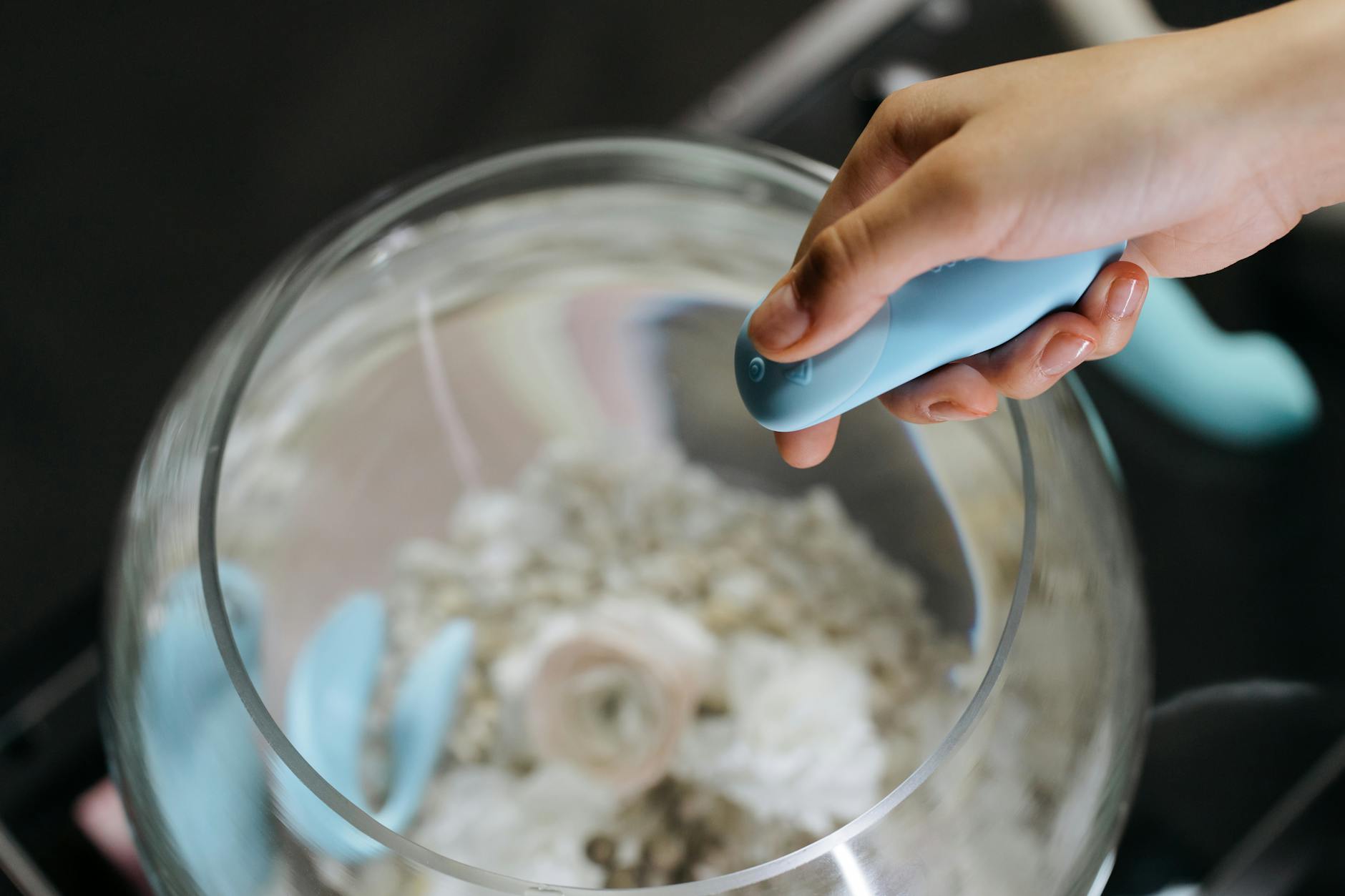
A lemon vibrator, specifically one that uses air-suction technology, works differently than a traditional vibrator. Instead of relying on direct friction against increasingly sensitive tissue, suction stimulates the deeper nerve clusters in the clitoris without the same mechanical pressure. Many people on hormonal birth control report that suction-based stimulation feels more responsive than anything else.
The pattern matters too. If you're used to a certain rhythm or intensity, your body might need a reset. Starting with gentler patterns, longer warm-up time, and external-only stimulation can help your nervous system relearn pleasure instead of fighting against it.
Birth control doesn't just change tissue. It changes how your brain responds to sexual cues. Some people describe it as needing more mental engagement to get aroused. Others say their fantasies feel less vivid or their mind wanders during sex when it never used to.
This is partly because reduced testosterone affects libido at the neurological level. But it's also because the hormonal fluctuations that used to create natural peaks in desire are now flattened. Your body isn't sending the same signals anymore.
The fix isn't willpower. It's removing friction. Longer foreplay, external stimulation first, partnered exploration, or solo time with a tool specifically designed for people on hormonal birth control. Many of my clients find that investing time in their own pleasure without performance pressure helps their nervous system remember what arousal feels like.
Four things I recommend to almost every person dealing with birth control and pleasure changes:
Start with lubrication, always. Water-based lube isn't a consolation prize. It's a tool that bridges the gap between what your body is producing and what feels good. Apply generously and reapply as needed.
Budget time for arousal. If you used to get fully aroused in five minutes and now it takes twenty, that's not dysfunction. That's your current baseline. Plan for it instead of fighting it.
Explore external stimulation first. Before penetration, before intensity, spend time with external touch. This can be hands, fingers, or a lemon clitoral vibrator set to a lower pattern. Let your body remember what pleasure feels like without pressure.
Consider a suction vibrator if friction feels wrong. Air-suction technology (like the Lem) targets the entire clitoral structure without relying on direct pressure against tissue. Many people on hormonal birth control feel more sensation, not less, with this approach.
If you're in a relationship, the hormonal shift becomes a duo problem. Your partner might feel confused or rejected if you suddenly need things to be different. You might feel frustrated that they don't understand your body changed without your permission.
Separate the two conversations. One conversation is about what's happening to your body and sensation. That's not about them. Another conversation is about what you need from them. Those are different topics, and mixing them turns both into arguments.
Most importantly: this is not a referendum on attraction or love. It's a logistical adjustment. Treating it as such makes everything easier.
Some people adjust after a few months. Others realize after a year that the pleasure loss isn't worth it. Both responses are valid.
If you're considering switching birth control, talk to your doctor about non-hormonal options (copper IUD, condoms, fertility awareness) or different hormonal types (some people report different side effects on different pills or progestin-only methods). The adjustment period for a new method is real, but sometimes finding the right fit transforms everything.
If you're staying on your current birth control, the pleasure rebuilding takes patience, but it's absolutely possible. Most people find that within three to six months of intentional attention to their arousal, sensation, and tools that actually work for their current body, pleasure comes roaring back. Not always identical to before. Often better.
Your birth control choice is worth it to you, or you'd change it. Your pleasure still matters even when hormones are suppressed. And your body hasn't forgotten how to feel good. It's just operating under new conditions. Once you acknowledge those conditions and adjust accordingly, reconnection happens faster than you'd expect.
Most people notice the biggest changes in the first three months, but the full adjustment period is six to twelve months. Some adaptation happens sooner, but your nervous system needs time to settle into the new hormonal baseline. That said, the return of pleasure doesn't mean waiting passively. Using tools like a lemon vibrator designed for current sensitivity levels, prioritizing extended foreplay, and being patient with your arousal timeline all speed up the process of reconnection.
Yes, sometimes. Different pills have different hormone dosages and types of progestin, and many people find that switching brands or methods changes how their body responds to pleasure. A copper IUD is completely non-hormonal and doesn't affect sensation at all. If sensation loss is your biggest concern, talking to your doctor about alternatives is worth exploring. If you're staying on hormonal birth control, though, the sensation shift is usually manageable with adjustment rather than requiring a method change.
For many people, yes. Clitoral vibrators that use suction instead of traditional vibration work particularly well because they stimulate deeper nerve structures without requiring the kind of friction that can feel numb or uncomfortable when hormonal birth control has thinned your tissue. Start with lower patterns and give your body time to respond. What doesn't work on pattern three might feel incredible on pattern one.
No. While hormonal birth control does suppress desire for many people, it's not a permanent change. If you stop taking hormonal contraception, hormone levels usually return to baseline within a few weeks to months, and desire typically follows. If you're staying on birth control, desire can return even within your adjusted hormonal state through attention, time, and sometimes tools designed for your current body.
Because they can't feel it from the outside. To them, you look the same and act mostly the same. But you're operating under a different hormonal regime, and they have no reference point for that. Clear communication helps: "My arousal takes longer now" is factual and fixable. "You're not doing anything right" sounds like rejection. Separate the logistics from the emotions, and most partners become genuinely helpful allies instead of confused bystanders.
Absolutely. Pleasure isn't locked away because of hormones. It's just operating under different conditions. Longer arousal time, external stimulation, lubrication, tools like a lemon clitoral vibrator that work with your current sensitivity, and patience all help your body remember pleasure even within a suppressed hormonal state. Three to six months of intentional adjustment typically brings significant improvement.
Hormonal birth control changes pleasure because it changes your hormones. That's the mechanism, not a flaw. Once you stop expecting your body to work the way it did before and start building a new pleasure blueprint for your current state, things shift. Your sensation didn't disappear. It's just asking for different conditions to thrive. That's something you can absolutely give it.