Relationship disconnection doesn't start with sex. It starts somewhere smaller: a missed conversation, then another, then a pattern of not really looking at each other. By the time you notice the physical distance, the emotional one has already settled in. And here's what most couples don't understand: reconnecting physically doesn't happen by forcing it. It happens by rebuilding your relationship with your own pleasure first.
When emotional intimacy drops, sexual desire doesn't just soften. It vanishes because, neurologically speaking, your nervous system has learned that this relationship isn't safe enough for vulnerability. Your body knows before your brain catches up. You stop initiating. Your partner stops initiating. Both of you tell yourselves it's fine, it's just a phase, everyone gets busy. Then months pass.
The shame kicks in next, and that's where couples get stuck. Someone tries to initiate, gets rejected (or perceives rejection), and both people internalize the same story: "My body isn't wanted. This relationship is over." Neither is usually true.
What's actually true is that desire is contextual. It needs safety, attention, and a felt sense that your own pleasure matters to you. If you've deprioritized that for months, your partner can't magic it back with candlelight and effort. You have to rebuild it internally first.
When I work with couples in disconnection, the first homework is often solo. Not because I'm avoiding the relationship work. Because the fastest way to rebuild couple intimacy is to help each person rediscover their own arousal. It sounds counterintuitive. It works.
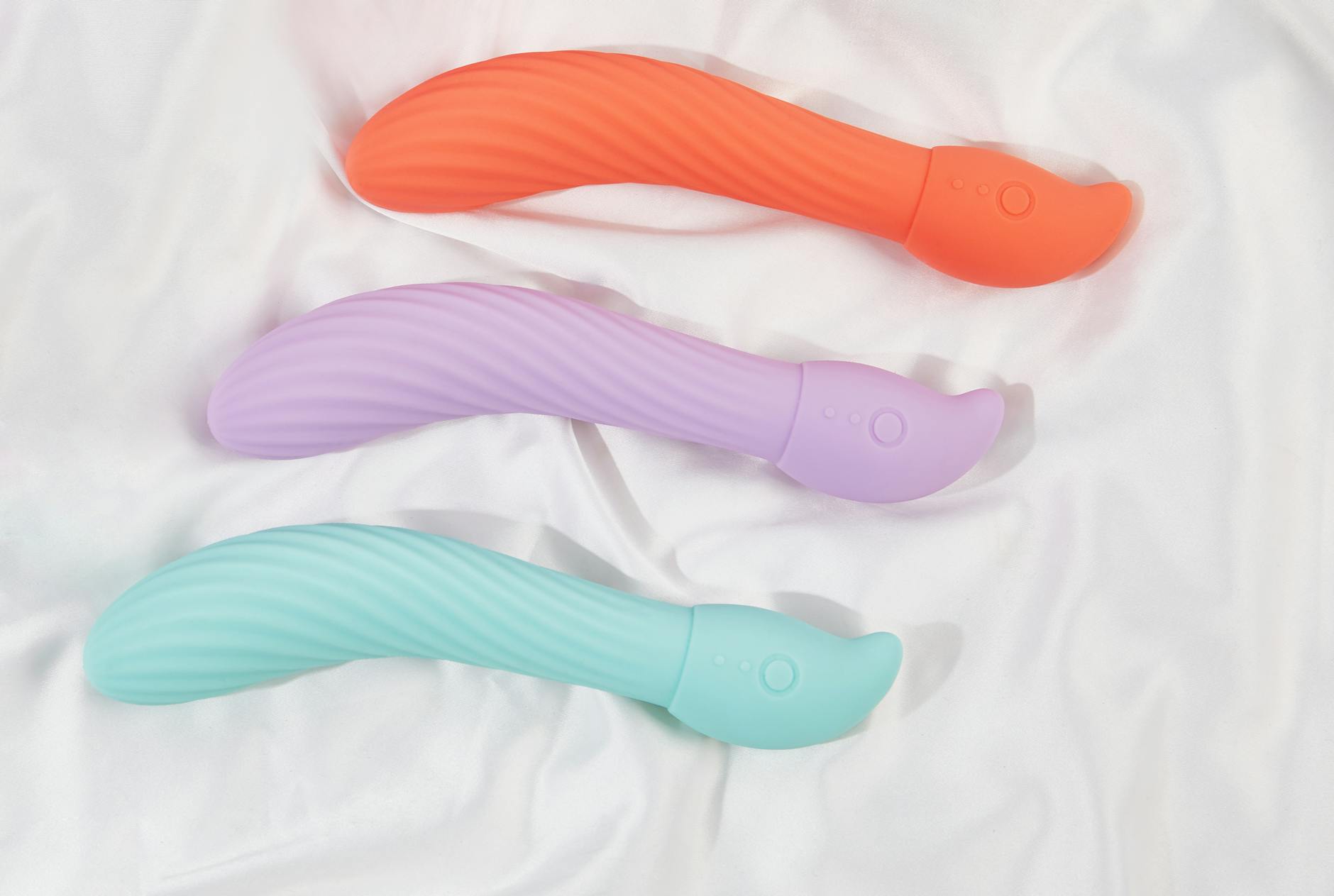
Using a lemon vibrator on your own serves three clinical functions:
First, it reminds your nervous system that pleasure is still possible. When you've been in disconnection for a long time, your body forgets. You might try to touch yourself and feel numb, or anxious, or like you're performing. A lemon clitoral vibrator, with its precise suction-based stimulation, can bypass that numbness because it's engineered differently than manual touch. It's not about force. It's about consistent, focused sensation that your nervous system registers as safe.
Second, it teaches you what you actually want. Most people who've been in disconnected relationships lose touch with their own pleasure cues. They know their partner's preferences, their kids' schedules, their boss's mood, but they don't know: Does my body like slow building or direct intensity? Do I want 20 minutes or five? What patterns feel good right now? A lemon sucker lets you explore without audience or pressure. You learn your own map.
Third, it changes the story you're telling yourself about desire. When you've been rejected or when you've been the one pulling away, you internalize that your sexuality isn't wanted. Using a toy solo and having profound pleasure rewires that belief at the nervous system level. You become someone who knows their body is capable of pleasure, separate from partnership.
Then, when you bring that back to your relationship, everything shifts. You're not asking your partner to fix your disconnection. You're inviting them into a conversation where you're already a full person again.
These are not the same thing, and conflating them is why many couples try to "fix" disconnection by adding a toy to their sex life. It doesn't work that way.
Solo use: You're reclaiming your own nervous system. You're building trust with your own body. There's no performance, no worry about your partner's timing or pleasure. You can be slow, messy, uncertain, and change your mind. This is essential groundwork.
Partner use: Once you know your body and you trust your own pleasure, you can invite a partner into that. Maybe you use the lemon vibrator during partnered sex. Maybe you use it while they're inside you. Maybe you just use it while they watch, and that's the intimacy. The difference is that you're not trying to use the toy to fix disconnection. You're using it as part of already-rebuilt connection.
Many couples make the mistake of jumping straight to partner use when what they actually need is separate reclamation. It feels like pressure, like you're supposed to want this now that there's a fancy new toy. That makes it worse.
Week one and two: solo exploration. Get a lemon clitoral vibrator if you don't have one, or use whatever you have. No agenda. Five to 20 minutes, whenever you want, when you have privacy. No pressure to orgasm. The job is to notice what feels good, what patterns feel sustainable, and to let your body remember that pleasure exists.
Week three: small conversation. This is not "we need to talk about our dead bedroom." This is you mentioning, casually, something you learned about your body. "I realized I like longer buildups," or "I forgot how good this felt." You're not asking your partner to do anything yet. You're just planting that you're thinking about this.
Week four and beyond: optional partnership. Some couples want to integrate toys into partnered sex once both people have done individual work. Some don't. Both are fine. The point is that you're no longer trying to use pleasure to fix disconnection. You're using reconnected pleasure to make the relationship better.
If after solo practice you realize the disconnection is deeper (your partner is dismissive of your pleasure, or you genuinely feel no desire for them), that's also real information. Sometimes rebuilding intimacy means ending the relationship. But most of the time, it means both people did the work separately and could then do it together.
There are tons of lemon sexual toys out there, and many kinds of clitoral vibrators. The lemon clitoral vibrators, particularly air-suction devices, have a specific advantage in reconnection work: they don't require you to know exactly what you want. They do the work of discovering what you want.
They're also less intimidating for people who've been disconnected from their sexuality. A massive wand vibrator can feel like a commitment. A lemon sucker feels curious, approachable, almost playful. You can use it for two minutes and stop. You can build up to longer sessions. There's no performance pressure built into the object itself.
If you're starting from numbness or anxiety, that low-key energy matters.
Once you've done some solo work and you're ready to reconnect, the conversation isn't about the toy. It's about vulnerability.
"I realized I've missed myself sexually. I'm doing some solo work to figure out what I want again. Some of that might eventually involve us, but first I need to trust my own body." Or: "I want to rebuild what we had. That means I need to remember what pleasure feels like for me."
A partner who loves you will understand this. They might even do their own work. If they don't, or if they respond defensively, that's information too.
What doesn't work: "I bought a toy to fix us." What does work: "I'm working on myself so I can show up better in our relationship."
If after several weeks of solo practice you're still numb, or if your partner responds with anger or rejection to your attempt at reconnection, couples therapy isn't optional. A good therapist can help you both understand what disconnection actually means and whether you want to rebuild.
Sometimes the answer is yes, we reconnect. Sometimes it's no, we end this respectfully. Either way, you've done the work of learning your own body and honoring your own desire. That doesn't disappear when the relationship does.
Lemon vibrators don't heal relationships. Connection heals them. But reconnecting with your own pleasure is the first step, and sometimes a lemon clitoral vibrator is the gentlest way to get there. You're not trying to feel something dramatic. You're just trying to remember that your body is worthy of attention, patience, and care.
That feeling, carried back into partnership, changes everything.
Possibly, if they're already insecure. But if you frame it as personal work (which it is), most partners respect that. You're not replacing them. You're learning yourself so you can show up more fully in the relationship. That's actually sexy to most people, once they understand it.
There's no fixed timeline. Some people need two weeks, some need two months. You'll know when you feel less numb and more curious about your own body. That's when you're ready to potentially invite a partner in. And you might not want to. That's fine too.
You don't have to say yes. Pressure to use a toy, just like pressure to have sex, isn't actually intimate. It's just pressure. A real partner will wait until you're genuinely curious. If they won't, that's actually a red flag about the relationship itself, and might be worth exploring in therapy.
Not necessarily. Your solo pleasure is yours. Some people like to mention it casually because it feels like honesty. Others prefer privacy. Both are okay. It's your body and your practice. You get to choose what you share.
Not alone. But it might help you figure out if you want to grow back together. Sometimes reconnecting with your own pleasure shows you that you do want partnership. Sometimes it shows you that you'd rather be alone. Either way, the clarity is valuable.
That's actually the most honest position. You've already felt the disconnection. Solo practice might help you figure out if you're pulling away because you need safety to rebuild desire, or because you're actually done. Both answers matter. A therapist can help you know the difference.