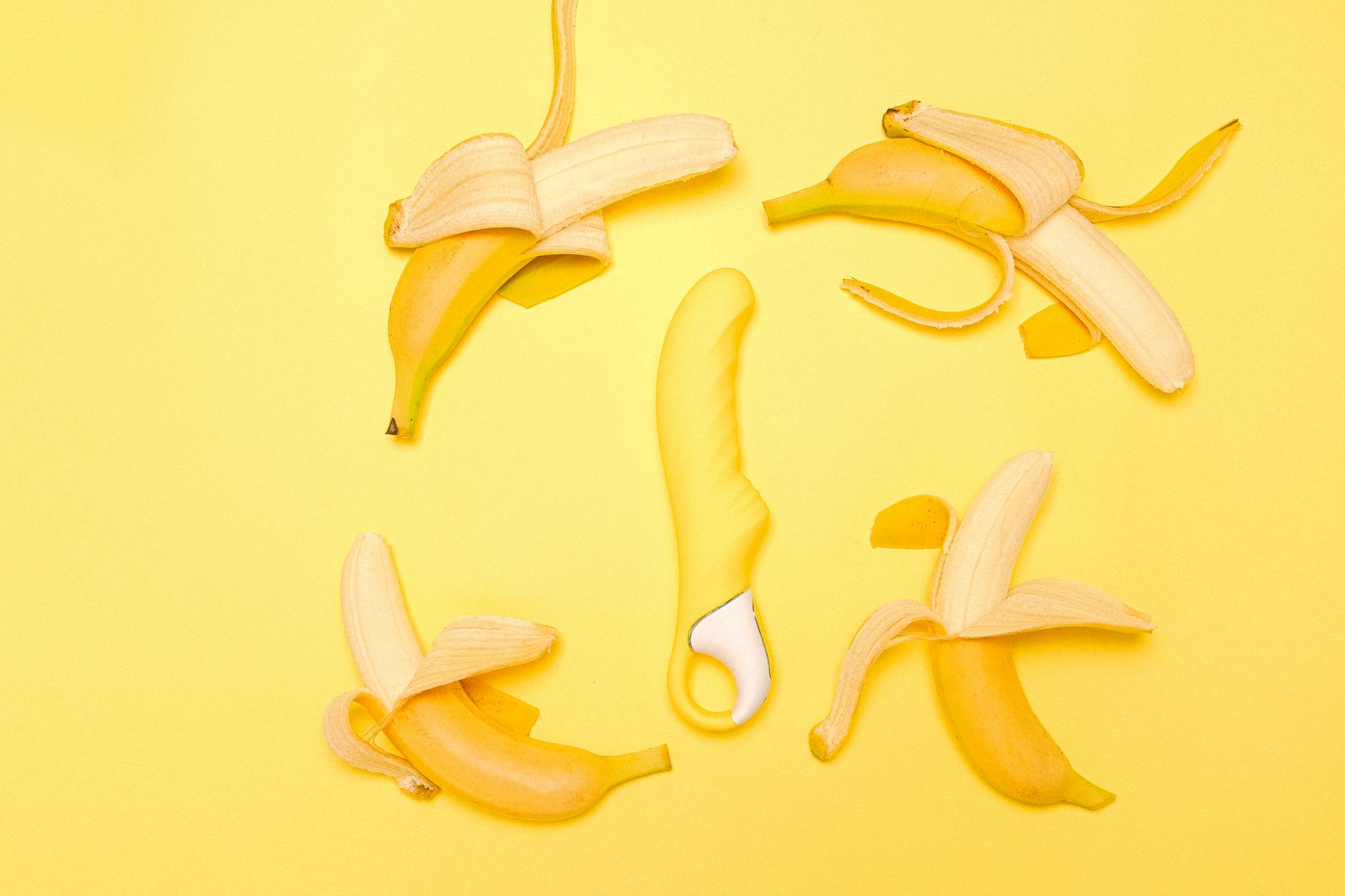
Postpartum arousal doesn't vanish because something is wrong with you. It vanishes because your nervous system has been running on empty for months. You've been touched constantly. Hands on your belly during pregnancy, then labor, then nursing, then diaper changes, then spit-up on your shoulder. Your body has given everything and needs to reclaim itself.
But here's the thing: reclaiming arousal after birth isn't about forcing desire back. It's about creating the conditions where desire can exist again. And for many people, a lemon vibrator offers exactly that kind of gentle re-entry.
Three converging forces hit at once. Hormones plummet after delivery. Prolactin (the nursing hormone) actively suppresses estrogen and testosterone. Sleep deprivation rewires your brain's reward system. And then there's touch fatigue. You've been a physical resource for another human for months. The last thing you want is more hands on your body.
This isn't depression. This isn't a sign your relationship is broken. It's biology doing exactly what it's designed to do: keep you focused on survival and your baby's needs.
But survival mode doesn't last forever. And most people need a way back.
A partner's touch, even loving touch, can feel like another demand. A vibrator is neutral. It doesn't want anything from you. It doesn't require reciprocal pleasure or performance. You control the pace, the intensity, the moment you stop.
Lemon clitoral vibrators work particularly well because they use suction and gentle pulsing rather than harsh vibration. That matters when your nervous system is already overstimulated. The Lem's rhythm mimics arousal patterns without forcing intensity. You can start at the lowest setting and stay there indefinitely. No escalation required.
Many of my clients describe it as the difference between someone touching you and your own body remembering how to feel good. That distinction matters enormously when you're rebuilding.
Another practical advantage: lemon vibrators are small and fast. You're not carving out an hour. You're looking at 10-15 minutes while the baby sleeps, or in the shower where you already have privacy and running water for cleanup.
Most doctors clear you for sex at six weeks. Most people's nervous systems aren't actually ready. If you're exclusively nursing, hormones are still suppressed. If you slept three hours last night, your brain can't access pleasure pathways. Those are just facts.
I typically recommend waiting until at least 12 weeks before reintroducing any kind of sexual activity, solo or partnered. Your body needs time to stabilize. Once you're there, starting solo with a clitoral vibrator takes the pressure off. You're not performing. You're not accommodating another person's timeline. You're just reconnecting with your own capacity.
If you had a C-section or significant tearing, talk to your care provider before using any toy internally. But external clitoral stimulation with a lemon vibrator is typically fine once the basic healing is complete.
Start small. Literally and figuratively. Pick a time when you have genuine privacy and aren't listening for a monitor. A shower works. After everyone is asleep works. Your partner taking the baby out for an hour works.
Don't try to make yourself aroused. Arousal isn't a willpower thing. Just explore sensation. Start at the lowest setting. The Lem's gentlest pattern feels almost like a whisper. You're not trying to achieve anything. You're noticing what your body remembers.
If nothing happens, that's fine. If it feels weird or uncomfortable, that's also fine. Your body has been through massive change. Reacquaintance takes time. Some people reconnect in a week. Some take months. Both are completely normal.
The point isn't the orgasm. The point is the small act of claiming your own pleasure as separate from motherhood. Your body is not only a vessel for feeding and soothing another person. It's also yours.
Once you've reconnected solo, involving a partner becomes much easier because you're not starting from zero. You know what feels good. You can direct them. You're not trying to ignite desire that isn't there yet. You're saying, "Here's what I discovered." That's a much lighter conversation than "I don't want sex and I don't know why."
If you're coupled, your partner needs to understand that postpartum arousal loss is not rejection. It's not about them. It's not about the relationship. It's biology and exhaustion and touch saturation. That framing prevents resentment from poisoning the space where reconnection could happen.
I recommend being specific: "My nervous system is overwhelmed. I need three months before I can think about partnered sex. But I want to start reconnecting with my own body. That's not about excluding you. That's about me building a foundation." Then actually do it. Because once you've rebuilt solo arousal, partner intimacy becomes possible again.
Your partner can also help practically: managing the baby so you have uninterrupted time. Respecting closed doors. Not interpreting solo time as rejection. The emotional work of supporting postpartum recovery is genuine partnership.
If you're 8-12 months postpartum and still experiencing zero desire despite adequate sleep and relative emotional stability, check a few things. If you're nursing, extended breastfeeding does genuinely suppress ovulation and estrogen. That's protective in nature but real in effect. Some people need to wean to recover arousal.
If you're on hormonal birth control, that could be suppressing desire too. The mini-pill won't, but combined pills or implants sometimes do. Worth discussing with your provider.
If trauma happened during birth, that deserves attention. Perineal tearing, emergency interventions, or difficult labors can create physical or psychological blocks. A therapist trained in birth trauma and somatic work can help untangle that.
But for the majority of people, gentle exploration with a tool like a lemon vibrator rebuilds arousal more reliably than pressure or timeline-anxiety ever could.
Honestly, postpartum recovery reshapes your entire relationship to pleasure. Before kids, you could be spontaneous. You could be selfish. You could pursue sensation for its own sake. Parenthood requires you to be more intentional. You have to claim pleasure actively because it won't just happen.
That's actually harder. It's also, weirdly, often better. People who rebuild arousal intentionally postpartum often report more satisfying pleasure than they had before. Because they've had to get clear on what they actually want instead of what they think they should want.
A lemon vibrator isn't magic. It's just a tool that removes friction from the process of reclaiming your own body. The real work is the decision to prioritize your own pleasure alongside everyone else's needs. That decision is the foundation everything else builds on.
Most providers clear external genital stimulation once vaginal bleeding has stopped, typically 4-6 weeks postpartum. But safe and ready are different things. Many people aren't emotionally or physically ready for weeks longer. Use a lemon vibrator only when you feel genuinely interested, not obligated. If you had significant tearing or a C-section, confirm with your care provider that external stimulation is fine. Your healing timeline is individual.
Temporarily, yes. A vibrator can help you reconnect with sensation and rebuild confidence in your own arousal capacity while your hormones are suppressed by nursing. But the root cause—prolactin suppressing estrogen—won't change until you wean or your baby nurses less frequently. The vibrator helps you know what you're working toward, but it's not a solution to hormonal suppression. Some people find that weaning shifts everything. Others find that desire gradually returns even while nursing. Both patterns are common.
Start alone. Absolutely alone. This is about rebuilding your own arousal pathways, not performing for anyone else. Once you know what feels good to you and have reconnected with desire solo, then you can involve a partner if you want to. That's a much lower-pressure foundation than trying to ignite partnered desire when solo desire is still offline.
Talk to your care provider. Low arousal can signal thyroid issues, anemia, depression, or hormonal imbalance. Those are medical questions, not motivational ones. A vibrator helps with touch fatigue and touch-neutral exploration. It doesn't address underlying health problems. A provider can check for those and help determine next steps.
Indirectly, yes. When solo arousal returns, partnered intimacy becomes possible again because you're not starting from zero. You know what feels good. You can guide your partner. You're not trying to manufacture desire that doesn't exist. That clarity makes partnered sex feel like connection again instead of obligation. But the vibrator itself is about you, not about your relationship. The relationship benefit comes from you rebuilding yourself first.
Completely normal. New parents often feel guilty about any act of self-care, let alone pleasure. But reclaiming your own arousal isn't selfish. It's the foundation for being a healthy, present partner and parent. Your pleasure matters alongside everyone else's needs. A few minutes with a lemon vibrator teaches your nervous system that you're still allowed to want things. That's not indulgent. That's essential.
Postpartum arousal loss isn't a failure. It's your body doing exactly what it should in the moment. But it doesn't have to be permanent. A lemon vibrator offers a gentle, judgment-free way to reconnect with your own capacity for pleasure while you're still in survival mode. It doesn't fix the systemic stuff—sleep deprivation, touch fatigue, hormonal shifts. But it creates space for arousal to exist alongside those realities. And that space is where real recovery begins.